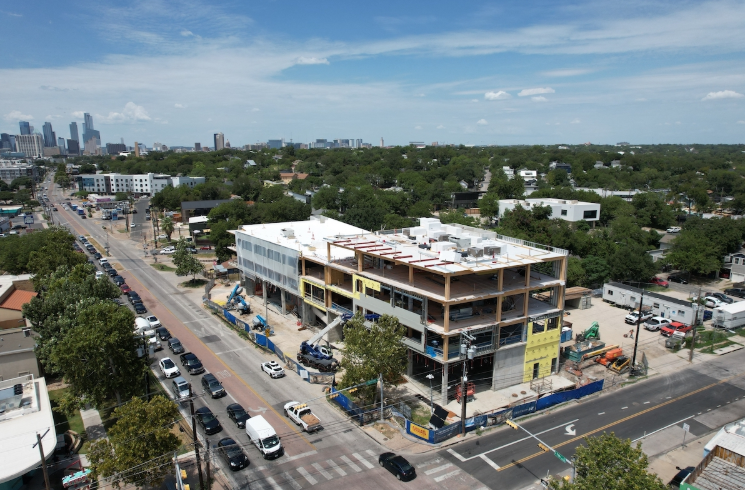
Collaborative Partnership Tops Out Four-Story Mass Timber Office in East Austin
?A collaborative mass timber vision is taking shape in Austin, Texas, driven by a strategic partnership between?Dick Clark + Associates?(DC+A),?Swinerton Builders,?Lindgren Development, Inc.,?Fort Structures,?Beck-Reit Commercial Real Estate,?Legacy Lighting, and?Art + Artisans. The project recently topped out all four stories.
The mixed-use structure features 255 feet of frontage along East 7th Street, includes one floor of underground parking and a restaurant predominantly located at the corner of 7th and Pedernales Street. Embracing new construction technologies like mass timber and biophilic design, the project rethinks workplace design as a cross-disciplinary collaborative environment.
“For over four decades, DC+A has been deeply woven into the fabric of Austin’s architectural landscape, designing spaces that reflect the city’s unique spirit,” DC+A Principal?Mark Vornberg?said. “This mass timber project on East 7th Street is a natural evolution of that legacy. It’s not just about constructing a building; it’s about embracing innovation, sustainability, and the vibrant future of East Austin, creating a truly collaborative environment that mirrors the creativity of this dynamic community.”
The partnership represents a “proof of concept” for the project collaborators that aims to provide a one-stop experience for design and construction projects. With six firms sharing office space and resources, the design fosters innovation that is meant to be both inclusive and intentional.
“We see this partnership as an opportunity to shape a new model for how design and construction can work collaboratively, efficiently, and under one roof,” Vornberg said. “We’re excited to push the industry forward on how firms work together to build Austin’s future structures.”
The innovative spirit of the Workbench project extends beyond its sustainable construction methods and into a reimagined approach to workplace design as a living laboratory for collaboration. At the heart of each tenant’s space will be a large, community work table. Each table will serve as the collaborative core where ideas converge, discussions flourish, and innovation sparks. This movement away from isolated individual workstations and toward a more fluid, interactive environment is designed to encourage spontaneous interactions, cross-pollination of ideas, and a sense of shared purpose among teams.
The post Collaborative Partnership Tops Out Four-Story Mass Timber Office in East Austin appeared first on Swinerton.
]]>
Swinerton establishing domestic supply network to avoid cost escalations from tariffs
The general contractor is developing a project on the east side
While tariffs have the potential to disrupts all sorts of projects by impacting the cost of importing materials, at least one builder of mass timber projects that is active in Austin is setting itself up to avoid any potential hazards when securing lumber.
Swinerton, a California-based general contractor with a specialized mass timber brand called Timberlab, has been establishing a domestic supply chain for its lumber by acquiring and developing manufacturing facilities within the U.S., said Chris Evans, president at Timberlab. The hope, he said, is that owning their own manufacturing facilities will allow Swinerton and Timberlab to avoid large escalations in pricing in an uncertain environment.
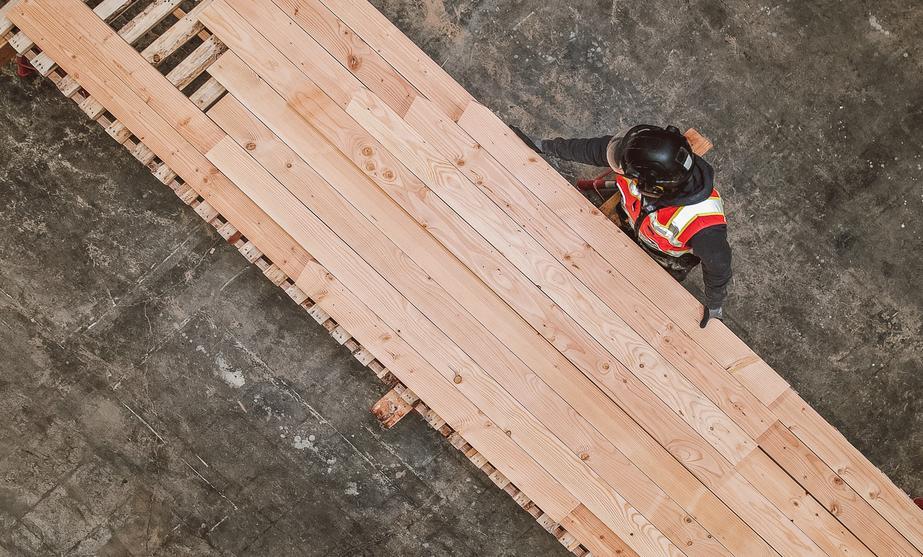
Mass Timber is a construction style characterized by thick, compressed layers of wood being used for load-bearing building elements, in lieu of or in conjunction with more traditional materials such as steel or concrete. Proponents cite a number of benefits, including faster, cheaper construction; greater sustainability than steel and concrete; fire resistance and more.
Swinerton owns a manufacturing facility for mass timber components in Oregon and is developing more in the state to become less dependent on international procurement of materials, Evans said. The decision to make those investments was partly due to Covid-19 pandemic when the construction industry saw plenty of uncertainty and surges in lumber pricing.
“I think that informed us and helped us be educated,’ Evans said. “If we own our own manufacturing facilities, we can really be consistent with our pricing the whole way through as we deliver [a project] to a client, and give them that confidence that they’re not going to face large escalation risks on a project.”
Evans added that existing tariffs have been in place for years on Canadian lumber, where a huge amount of lumber originates. Additionally, the U.S. has seen a decline in sawmills, which could increase the need for Canadian lumber.
The post Swinerton establishing domestic supply network to avoid cost escalations from tariffs appeared first on Swinerton.
]]>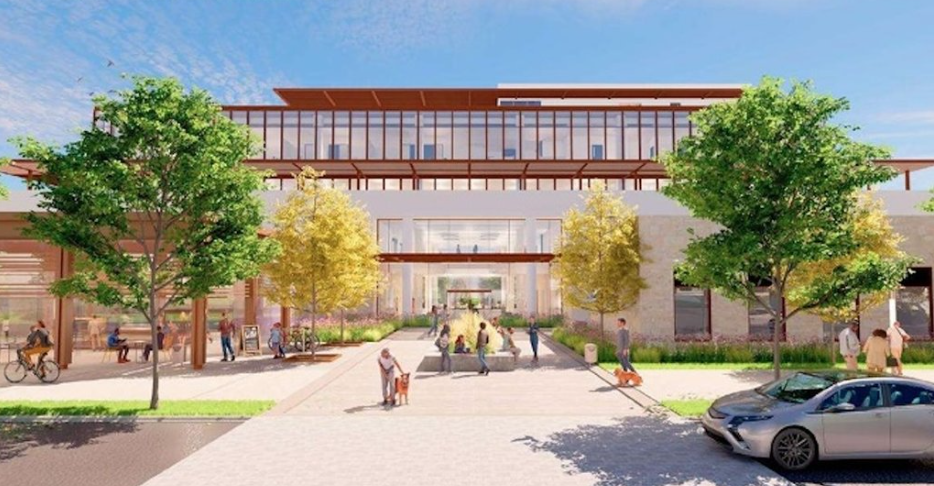
Griffin Swinerton to amp up downtown Pflugerville
Developer clinches deal to build new city hall, rec center
Developers of Pflugerville’s?Downtown East project are taking steps to build a new city hall and recreation center that will be at the center of a mixed-use project.
The post Griffin Swinerton to amp up downtown Pflugerville appeared first on Swinerton.
]]>
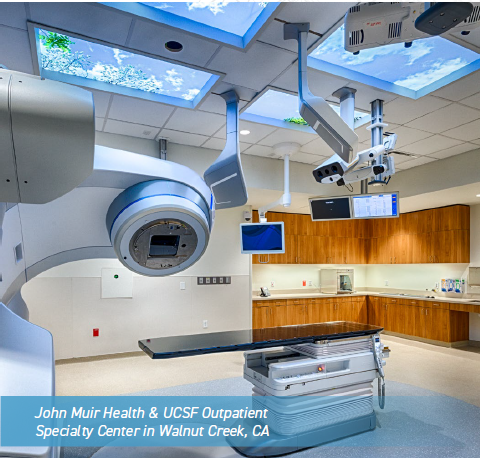
As a community contractor with national reach, Swinerton understands the unique demands of building some of our society’s most impactful and widely used infrastructure, including healthcare and life sciences facilities, housing for our vulnerable populations, and transportation hubs. Through vertical leadership and resources, we deliver the consistency and efficiency these market sectors require.
From our earliest days, Swinerton has lent our flexibility to a diverse array of product types and clients: from rebuilding hotels and commercial districts after natural disasters, to our expansion into complex industrial projects in the 20th century, to solidifying our place as a modern-day industry leader in sustainable mass timber construction.
Today, Swinerton is proud to provide premier commercial construction services to nearly 20 market sectors. Several of these markets—including Healthcare, Life Sciences, Affordable Housing, Aviation, and Parking Structures—comprise a large portion of our portfolio in multiple regions nationwide, necessitating centralized resources. These sectors are also essential to our daily lives, serving our society’s needs for health, shelter, and transportation.
To address the unique demands of these markets, Swinerton has centralized its resources and appointed National Market Leads to guide the overall focus and approach, enhance the consistency of project delivery from region to region, and reduce onboarding time for project teams by equipping them with the right training, resources, and processes to deliver on specialized market-specific needs.
To address the unique demands of these markets, Swinerton has centralized its resources and appointed National Market Leads to guide the overall focus and approach, enhance the consistency of project delivery from region to region, and reduce onboarding time for project teams by equipping them with the right training, resources, and processes to deliver on specialized market-specific needs.
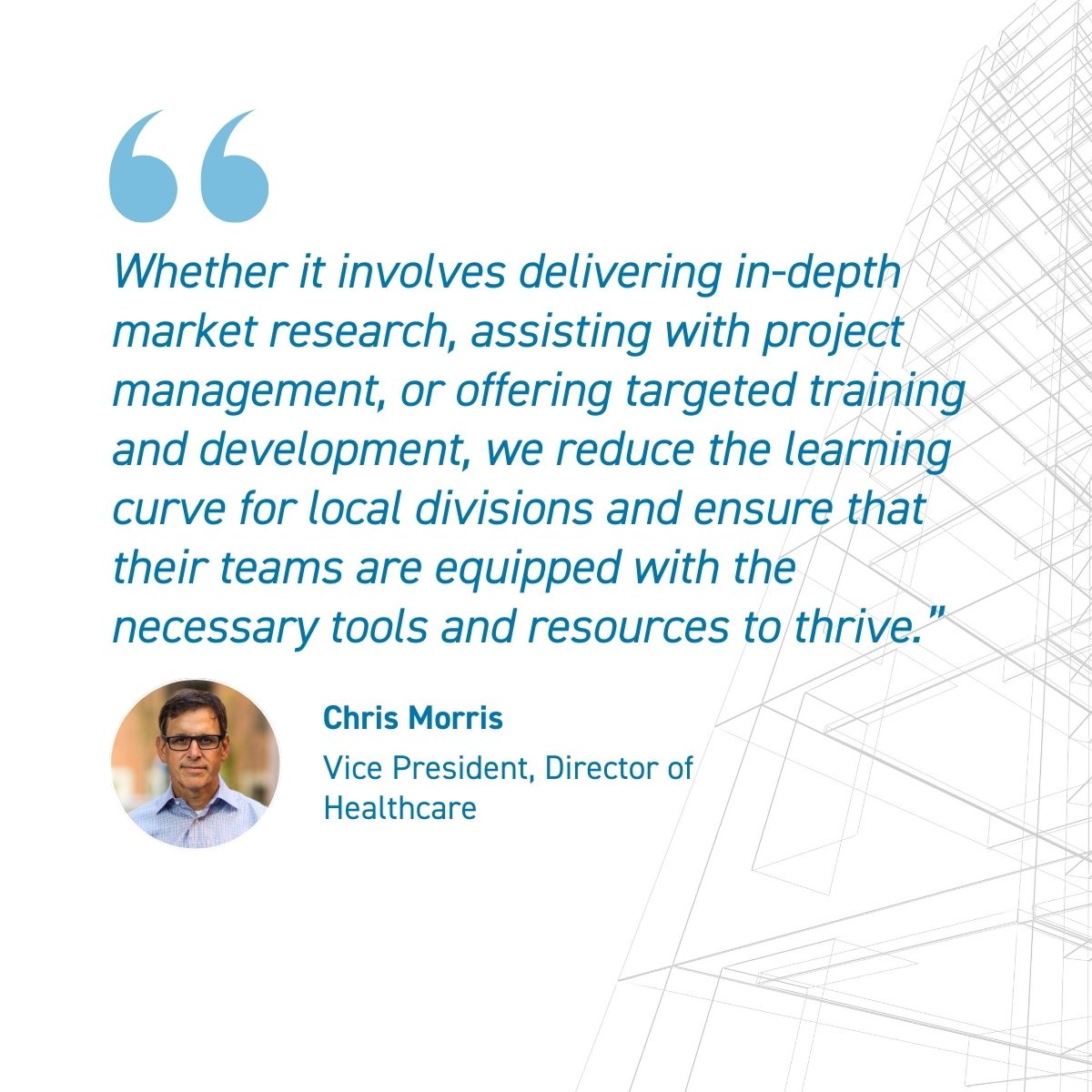
“A national approach enables effective management, ensuring that we allocate resources where they are needed most,” says Chris Morris, leader of Swinerton’s National Healthcare market. “Recognizing that each division has its unique strengths and challenges, our team provides tailored support to address these specific needs. Whether it involves delivering in-depth healthcare market research, assisting with project management, or offering targeted training and development, we reduce the learning curve for local divisions and ensure that their teams are equipped with the necessary tools and resources to thrive.”
While projects across the country will always have regional considerations, such as different code requirements and jurisdictional agencies, many markets also have specific inherent industry needs that must always be considered no matter the project size, location, or complexity. For example, research-focused clients often operate in regulated, complex industries and require partners who understand the critical nature of their work, says Swinerton’s National Life Sciences Director, Marcella Ayala.
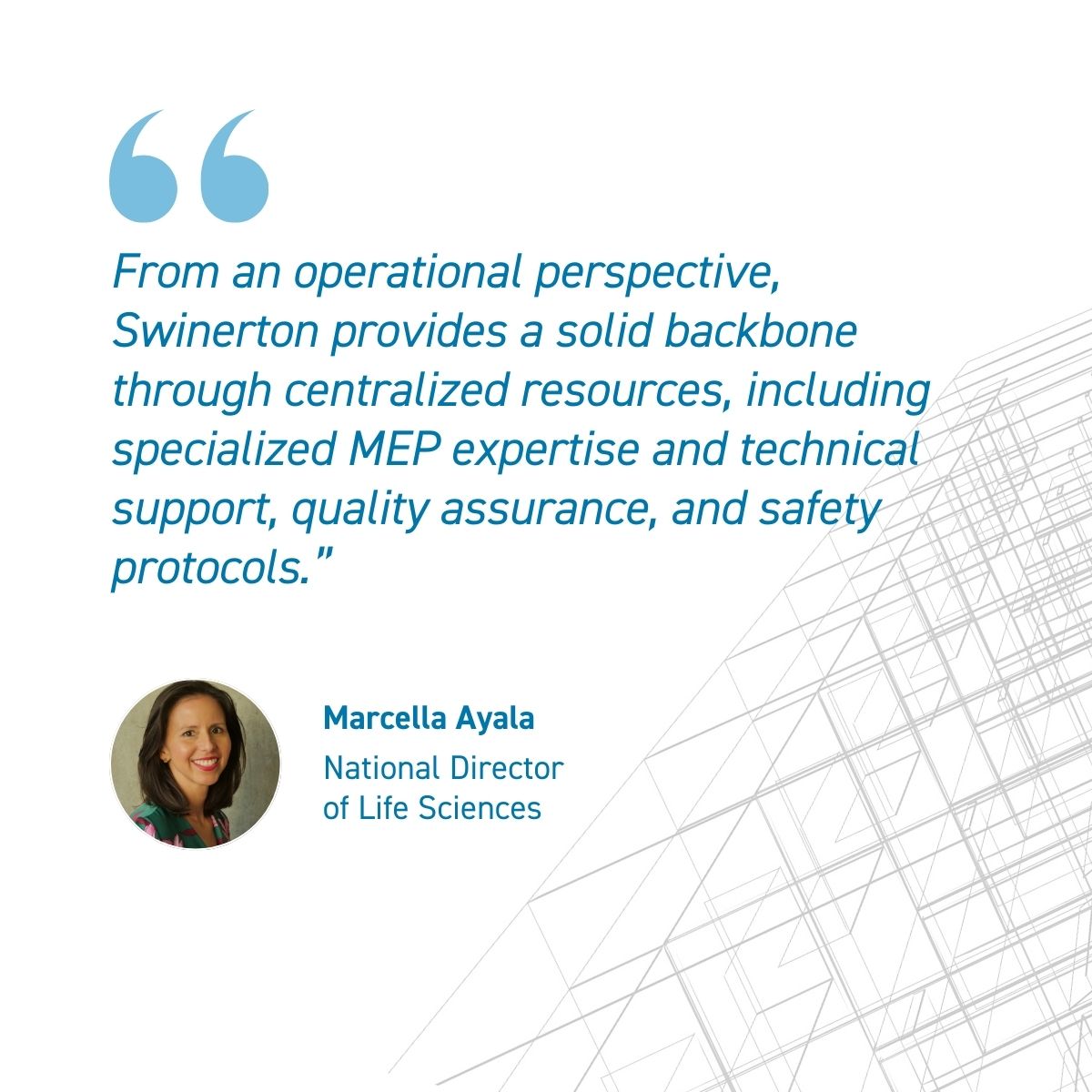
“From an operational perspective, Swinerton provides a solid backbone through centralized resources, including specialized MEP expertise and technical support, quality assurance, and safety protocols. These resources ensure that no matter where our Life Sciences clients’ projects are located, they receive the same high level of service and technical excellence that their industry demands,” Marcella adds.
As clients seek to answer what is next for their growth—whether rapidly expanding their own operations, or advancing their industry with new innovations—having a national, enterprise construction firm with the capabilities to answer a diverse set of needs is critical.
In addition to national quality and safety programs and centralized MEP expertise, Swinerton is capable of self-performing some of the most critical trades that drive a project, including concrete and drywall. In addition, the firm brings extensive mass timber expertise alongside the partnership of its mass timber affiliate, Timberlab. These capabilities can help drive cost and schedule efficiencies for many market sectors, but have proven especially valuable for affordable housing, where budget, community engagement, and sustainability are at the heart of nearly every project.
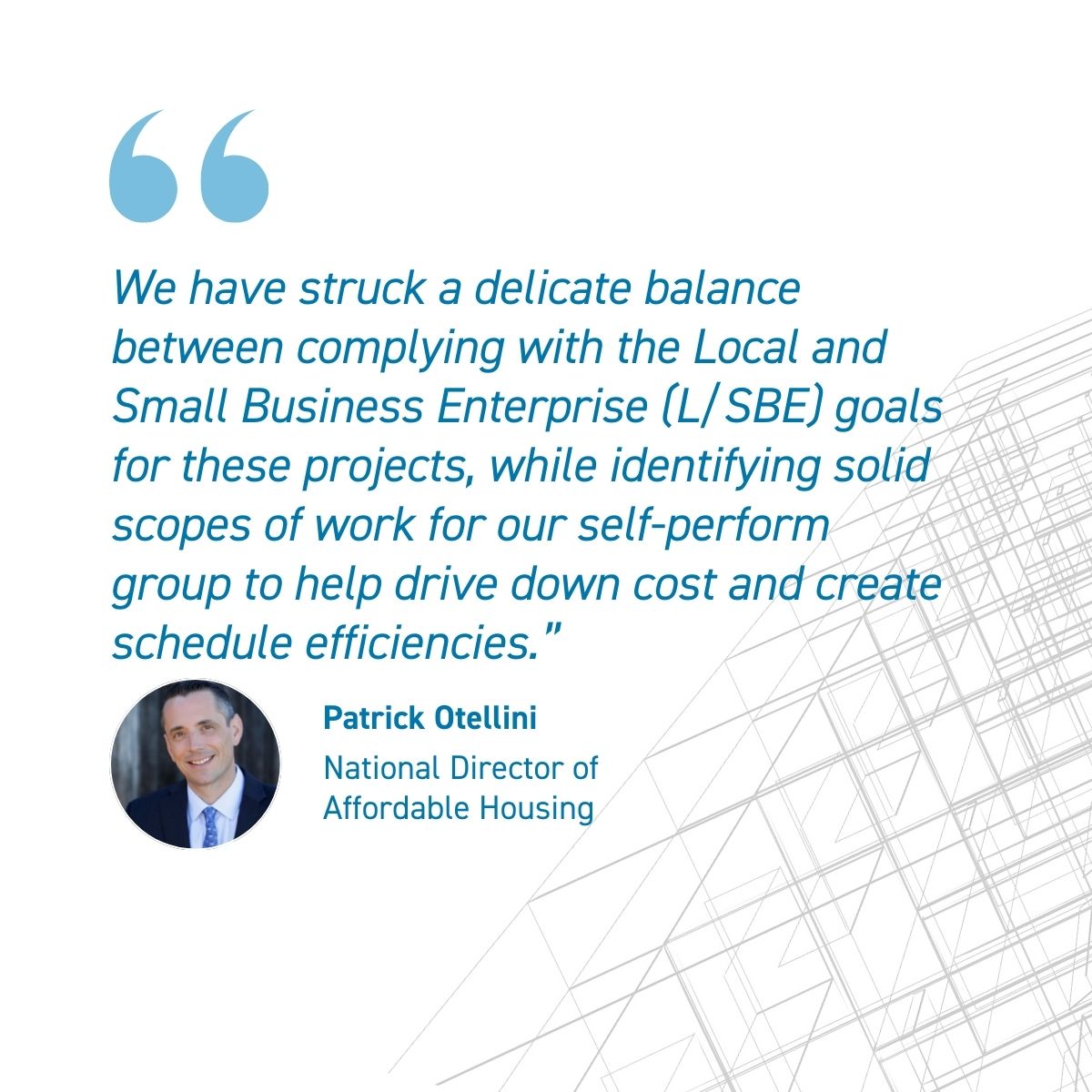
“Self-perform plays a huge role in this work,” says Patrick Otellini, Swinerton’s National Affordable Housing Director. “We have struck a delicate balance between complying with the Local and Small Business Enterprise goals for these projects, while identifying solid scopes of work for our self-perform group to help drive down cost and create schedule efficiencies. We also interface a lot with Timberlab, since many of these clients are looking at ways to build more sustainably.”
Recently, a Seattle-based architect who helped author changes to the 2021 International Building Codes (IBC) collaborated with Swinerton and Timberlab to build Seattle’s first mass timber mid-rise workforce housing structure under the new codes. The partnership testifies to how Swinerton’s integrated offerings are not only advancing the future of certain market sectors, but the construction industry as a whole.
Swinerton’s ability to self-perform work is also critically tied to the success of one of its largest national platforms: parking structures. Rather than a market in and of itself, Director of Parking Structures Jeff Goodermote refers to the structures he constructs as a specific “product” that intersects with and supports every other market that Swinerton works in.
“The parking structures sector is a little different from other market sectors, which may include different product types all under one umbrella. For example, aviation has landside and airside operations. Healthcare has acute and non-acute facilities. Compared to those markets, parking is a truly specialized, niche field,” Jeff says.
The group’s complete expertise in parking structure products can be largely attributed to the success of Swinerton’s self-perform concrete group, he adds.
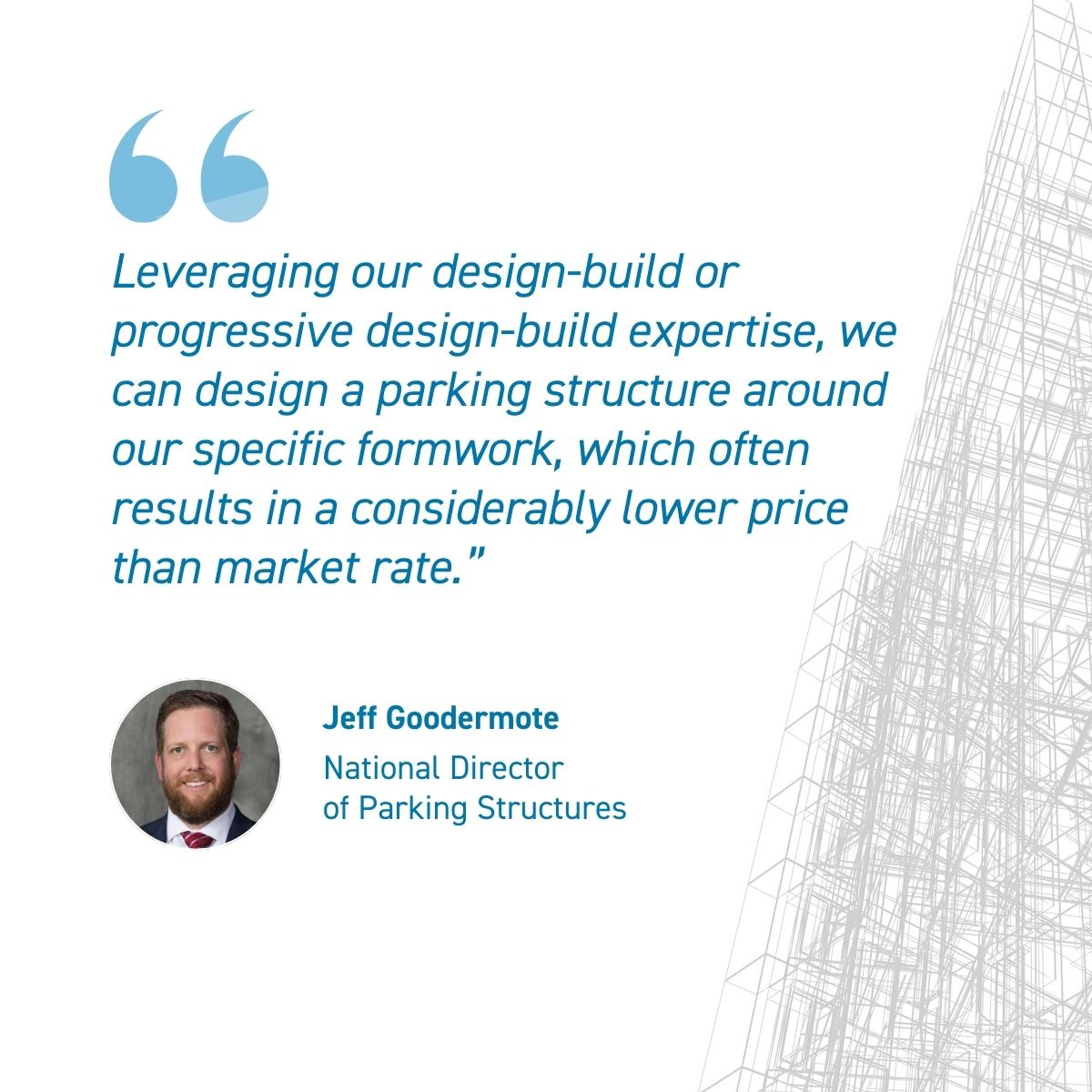
“We have invested in a substantial amount of self-owned concrete formwork that is specific to concrete parking structures. Leveraging our design-build or progressive design-build expertise, we can design a parking structure around our specific formwork, which often results in a considerably lower price than market rate,” Jeff continues. “We have even shipped our formwork over the Pacific Ocean to deliver concrete projects in Hawaii. In addition to our extensive collaboration with our self-perform concrete teams, we are beginning to engage our drywall teams to self-perform some of the fa?ade treatments of our parking structures to round-off our thorough, end-to-end expertise in this product type.”
Over the past decade, the National Parking Structures group has delivered on a number of aviation parking structures throughout California and Colorado, not only bolstering its own portfolio but also the project experience of the National Aviation group. This has been a catalyst for success in other divisions, such as Texas and the Southeast. Additionally, intergroup collaboration between Swinerton’s national market platforms allows the firm to leverage its focus on enhanced efficiency, knowledge-sharing, and commitment to drive value by bridging often-fragmented scopes of work.
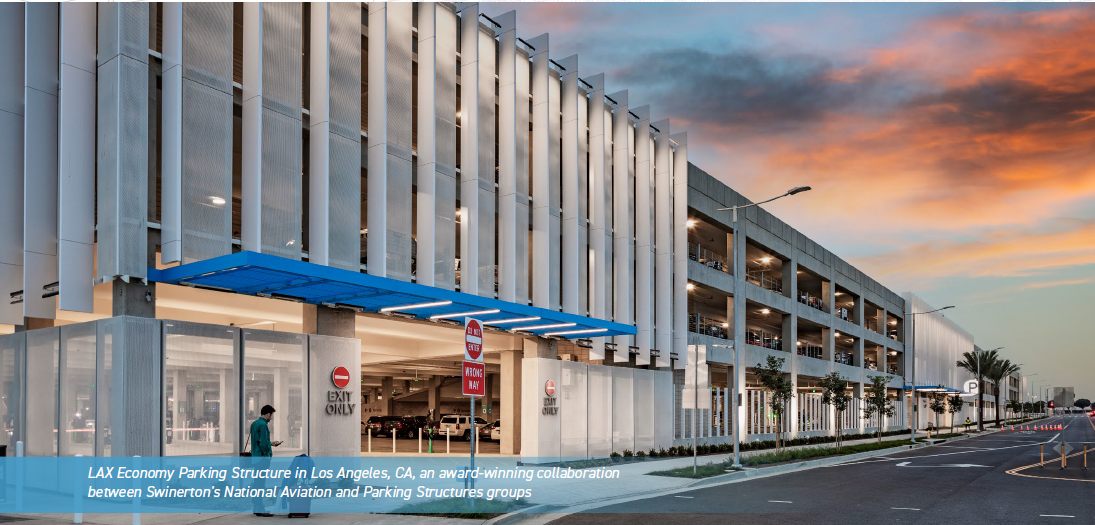
“Airport decision-makers are looking for partners who can be problem-solvers that understand both the complex requirements of airport construction and the unique aspects of the local market. We are thrilled to regularly partner with other Swinerton target markets like National Parking Structures,” says Carrie Shaeffer, National Director of Aviation.
“Clients benefit from a collaborative approach because we can provide innovative parking expertise and capabilities that also align with the specific nuances of sensitive airport environments informed by our National Aviation group,” Jeff adds.
Modern construction is demanding. Through our national market platforms, Swinerton ensures that our regional teams have the skills, resources, and support they need to tackle projects in a wide range of sectors. Furthermore, our coast-to-coast expertise and capabilities provide opportunities for clients seeking consistency and efficiency in their project delivery nationwide.

The post Delivering Crucial Infrastructure on a National Scale appeared first on Swinerton.
]]>
Jupiter Power leases space for HQ at mass timber building in East Austin
Unique construction method factored into the company’s decision
An energy company has selected a mass timber office building in East Austin as its new headquarters.
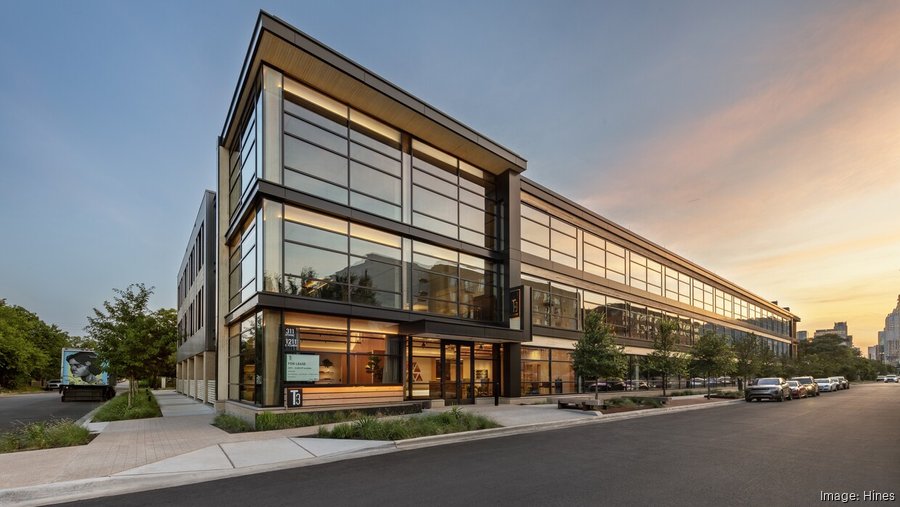
Jupiter Power, a developer and operator of utility-scale battery energy storage systems, signed a 21,000-square-foot lease at East Austin’s T3 ATX Eastside, according to an announcement.
The 93,000-square-foot T3 ATX Eastside, located at 1211 E. Fourth St., is now 43% leased. Alex Taghi, director of office and industrial services at Franklin Street, represented JupiterPower in the deal, and
JLL ’s Kevin Kimbrough, Brent Powdrill, and Madeline Simon represented the landlord.
The post Jupiter Power leases space for HQ at mass timber building in East Austin appeared first on Swinerton.
]]>
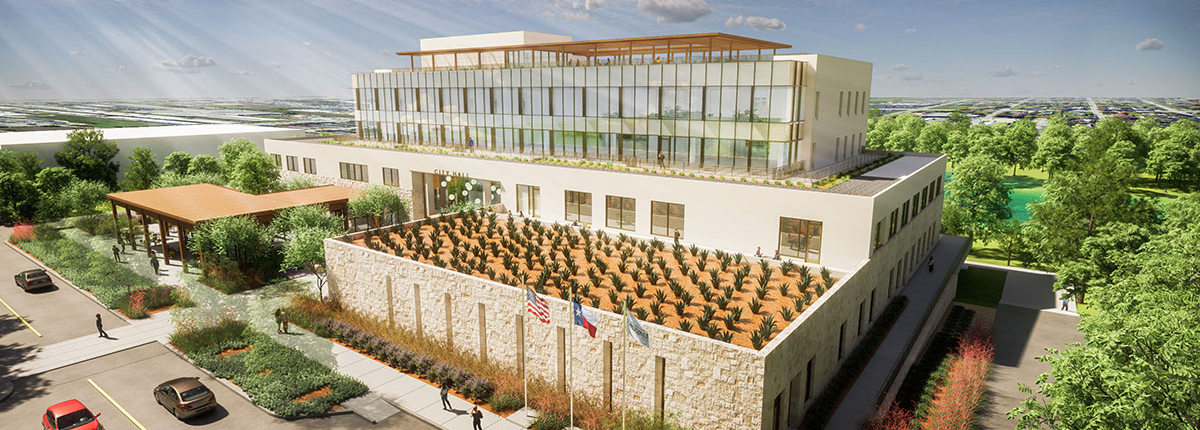
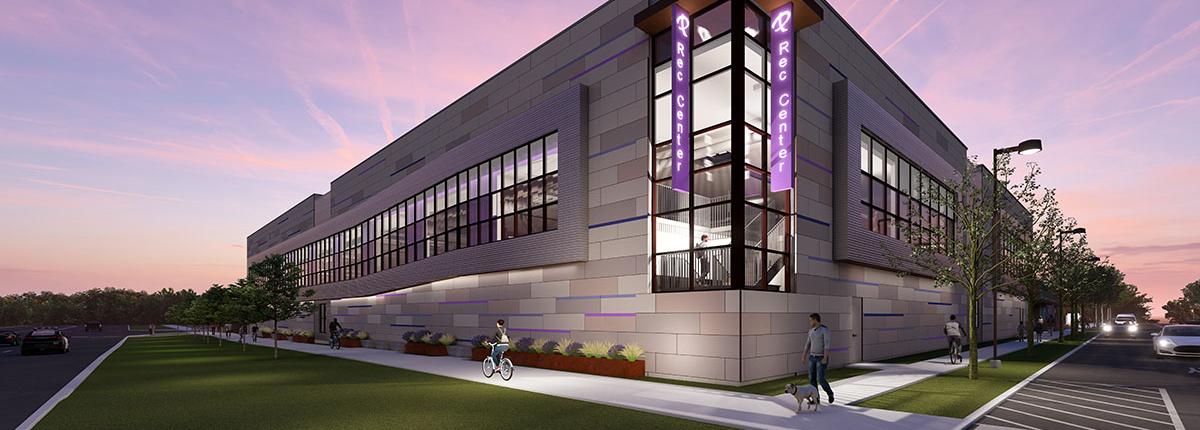
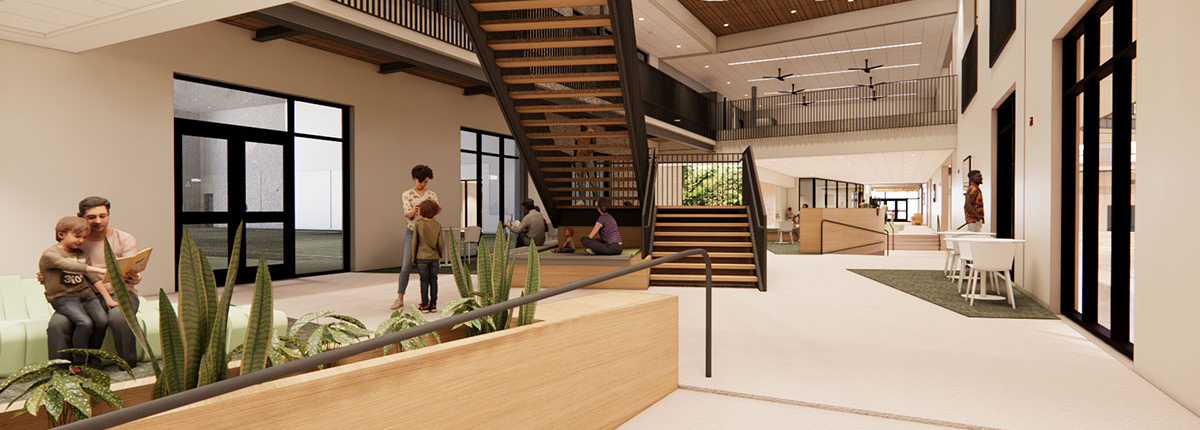
A new City Hall and Recreation Center will activate Pflugerville city center.
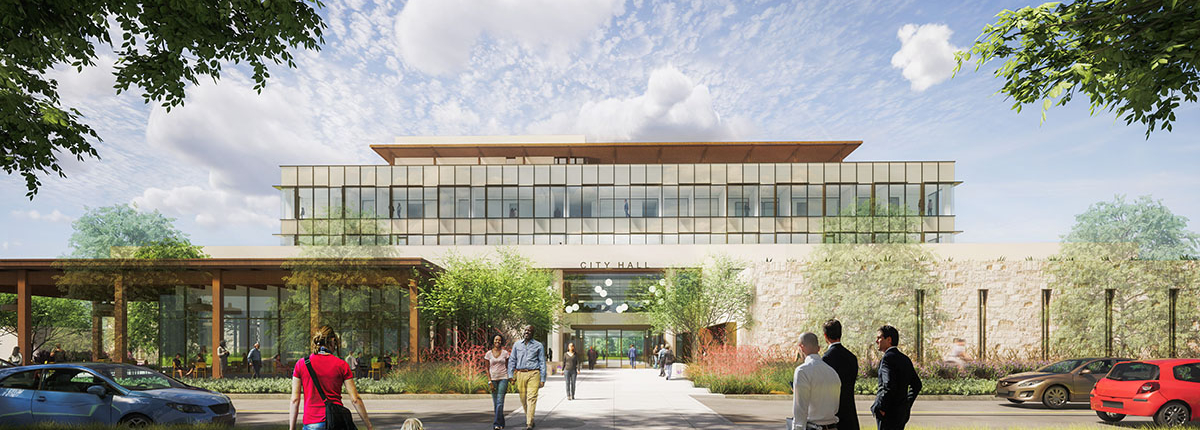
Swinerton with developer Griffin Swinerton, recently broke ground on Pflugerville Downtown East, a new development located at the corner of FM 685 and East Pecan Street in the City of Pflugerville. The development includes a four-story City Hall designed by LPA Design Studios; a three-story multigenerational Recreation Center designed in a collaboration between BRS Architects and FGM Architects; supporting site infrastructure (by civil engineer GarzaEMC); and an outdoor civic plaza designed by McCann Adams Studios.
The new 104,000-square-foot City Hall will centralize the City’s municipal departments including planning and development services, information technology, parks and recreation, and other public administrative services. The ground floor features City Council Chambers and other public-facing services including a One Stop Shop, with governmental staff offices on the second and fourth floors. The third floor will be reserved for future expansion. Connectivity is a design focus throughout the space. The lobby opens to a cafe to the north with frontage on the new Main Street extension and open space to the south, while a fifth-level rooftop terrace provides views of the surrounding area. A community-focused outdoor plaza seamlessly connects both the City Hall and the new Recreation Center.
“This project will serve as a vibrant community hub, bringing essential services together while offering welcoming gathering spaces. We’ve enjoyed partnering with Griffin Swinerton and Swinerton Builders to watch the vision come to life,” said Emily Barron, Assistant City Manager of Pflugerville.
Swinerton has partnered with Byrne Construction Services through a joint venture. The Swinerton|Byrne team is building a three-story, 140,000-square-foot Recreation Center, located adjacent to the civic plaza, that will feature an indoor/outdoor turf area, a natatorium, a multi-function gym, and a second-floor indoor track and fitness area. The third floor includes a multipurpose event space, classrooms, and an outdoor patio. A community/senior lounge and childcare center are also on the first floor.
The Recreation Center is a unique mixed-use building, with approximately 10,500 square feet of ground floor retail to be built, financed, owned, and operated by Griffin Swinerton.
“This is a major development for the City of Pflugerville, and we’re excited to be a part of it,” emphasizes Alison Satt, Vice President and Division Manager of Swinerton’s Austin office. “The City Hall and the Recreation Center will provide the community with an engaging, cohesive mixed-use civic campus.”
By partnering with the City and Swinerton, Griffin Swinerton is expediting the project delivery process, guaranteeing cost and schedule performance using a delivery method known as Public-Private Partnership (P3). This structure enables the City to maintain ownership and oversight of the facilities while Griffin Swinerton designs, permits, and constructs the new facilities with Swinerton. Expected completion for the project is Fall of 2026.
The post Swinerton Builders Breaks Ground on Pflugerville Downtown East Project appeared first on Swinerton.
]]>
Mass Timber Buildings: A New Approach to Sustainability and Net Zero Goals
Mass timber is quickly becoming a solution as the number of public institutions and private developers pledging to attain net-zero carbon emissions increases. Whether they are leaning on public-private partnership (P3) or traditional delivery methods, owners and developers are recognizing the benefits of wood as a versatile, sustainable, and structurally efficient feature for their projects. With public and private support for this renewable resource, experts believe mass timber could challenge steel and concrete as favored construction materials.
“Mass timber offers cost and value considerations that developers and clients see as benefits. Mass timber supports regional economies, saves time on the speed of construction, and is a renewable resource—with the added benefits of improved daylighting and interior aesthetics, which benefits the health and well-being of the end-user as well,” said Swinerton Builders (Swinerton) Pacific Northwest Regional Director of Preconstruction William Silva.
For example, at Northlake Commons, the utilization of mass timber estimates 1,990 metric tons of avoided CO2e (carbon dioxide equivalent) emissions, with a total carbon benefit of 2,920 metric tons; this is equivalent to removing 558 cars from the road or to the energy required to operate 249 homes for an entire year. It is also estimated that forests in the U.S. and Canada can regrow the equivalent wood volume in four minutes.
Swinerton’s early commitment to mass timber began in 2016 with the design, permitting, and construction of the then largest mass timber office building in the U.S.—First Tech Federal Credit Union Oregon Corporate Campus—which was delivered four months faster and four percent cheaper than structural steel.
In a short period, Swinerton has become known for taking on and successfully delivering some of the most challenging mass timber projects in the country. With the number of mass timber projects expected to double every two years, Swinerton has assembled an unparalleled knowledge base and robust internal resources that are sought after by design teams and owners who want to capitalize on the lessons learned from other projects.
While building designs will continue to push toward net zero energy, reducing operational carbon through better energy efficiency and cleaner energy sources, there is growing policy and regulation emphasizing the importance of reducing the embodied carbon of our infrastructure as well. Structure and foundation make up over half of a building’s embodied carbon footprint, so they are often targeted first for reductions. Every metric ton of wood used in place of concrete and steel in the structure is estimated to avoid 3.9 metric tons of CO2 emissions, and this is compounded by the fact that mass timber buildings are lighter and reduce the carbon (i.e., concrete) in the substructure.
Life-cycle assessment (LCA) is the industry tool for evaluating the embodied impacts of a building design, but what it cannot account for is the potential carbon “storage vault” mass timber infrastructure offers cities. Mature forests are maximizing their carbon storage, while growing forests are maximizing their carbon sequestration. By sustainably harvesting trees off the landscape and storing that carbon in wood structures for the life of the buildings, forests are allowed to sequester carbon more rapidly from the atmosphere and avoid releasing a large portion of the carbon stored in the removed trees.
While the softer benefits of mass timber, sustainability, and aesthetics frequently lead project teams to want to use a mass timber solution, the construction benefits are often what enables them to happen.
Swinerton recognizes the challenges of developing a project around a new structural system and brings its expertise to teams seeking creative solutions to make a mass timber project financially viable. Swinerton’s approach is to direct efforts toward reducing overall construction cost through smart and informed selections of not just the structural system but also to look at how to leverage complementary benefits in building mechanical, electrical, envelope, and interior systems to help achieve low energy goals.
“We can control costs through early assessment on project alignment with building code and efficient structural layouts that allow for complementary benefits with other building systems and maximize prefabrication,” added Silva.
Because Swinerton is a national leader in numerous construction market sectors, it combines market sector knowledge with mass timber advantages to bring beneficial outcomes for its clients. Swinerton has pioneered mass timber solutions in market sectors, including affordable housing, aviation, civic, community college, corporate accounts, healthcare, higher education, life science, office and more.
5 Examples of Swinerton’s Mass Timber Project Experience
Northlake Commons, Seattle, WA
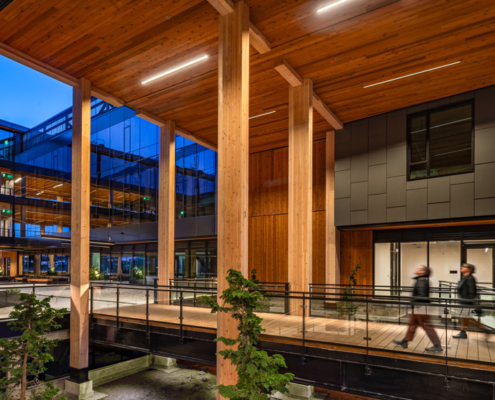
Swinerton’s Northlake Commons highlights the sustainability of mass timber in workplace construction. This 275,000-square-foot, LEED? Platinum-certified building incorporates mass timber columns, beams, and cross-laminated timber (CLT), showcasing how renewable materials can support both structural durability and environmental responsibility. Built in collaboration with Timberlab, a Swinerton affiliate, Northlake Commons’ timber was carefully chosen for its capacity to age beautifully while creating a warm, health-focused environment. Mass timber, significantly lighter than concrete and steel, reduces carbon emissions by up to 75%.
Beyond the use of wood, the building’s design maximizes water and energy savings, contributing to a 27% reduction in electricity usage and conserving over 700,000 gallons of water annually. Further, a significant 96% of construction waste was recycled, minimizing environmental impact. This commitment to sustainable mass timber not only enhances the building’s aesthetic and structural integrity but also reinforces Northlake Commons as a model for eco-friendly development in modern architecture.
Childcare Center, Boise, ID
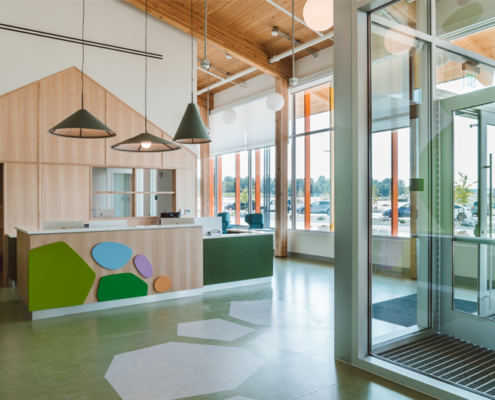
The new 19,347-square-foot single-story childcare center is a groundbreaking example of the benefits of mass timber in early education. Imagine nine lively classrooms with stunning vaulted ceilings, where clerestory windows flood the space with natural light, accentuating the warmth of timber columns and beams. Outside, timber overhangs create inviting play areas, blending seamlessly with nature.
This center isn’t just beautiful—it highlights sustainability. It combines mass timber with additional eco-friendly exterior materials, native landscaping, and cutting-edge energy-efficient features like low-VOC paint, smart thermostats, and LED lighting, seeking to achieve LEED? Gold certification. This innovative approach ensures a healthy, inspiring environment for children to learn and grow.
Sunnydale Community Center, San Francisco, CA
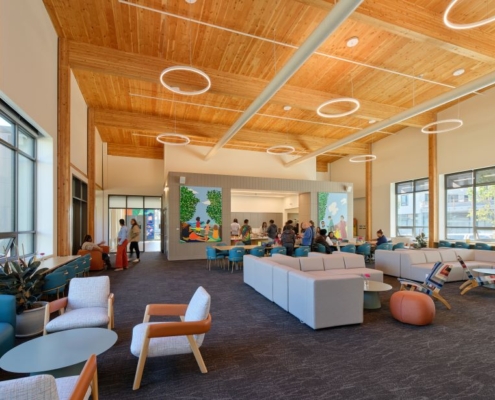
A vibrant new 30,000-square-foot neighborhood community center is a stunning two-story mass timber marvel. It offers a mix of spaces, such as a teaching kitchen, study areas, a recording studio, and a living room for community gatherings. The Sunnydale Community Center also hosts new facilities for Boys & Girls Clubs of San Francisco and Wu Yee Children’s Services, significantly boosting their capacity to provide childcare and youth programs.
Designed for LEED? Gold certification, the center emphasizes sustainability and biophilic design, using CLT and glulam for structural, aesthetic, and eco-friendly qualities. The exposed wood structure not only speeds up construction but also reduces waste and creates a warm, inviting atmosphere.
This project revitalizes the neighborhood, demonstrating the potential of mass timber construction and environmental responsibility with beautiful, impactful construction.
Live Oak Bank Building 4, Wilmington, NC
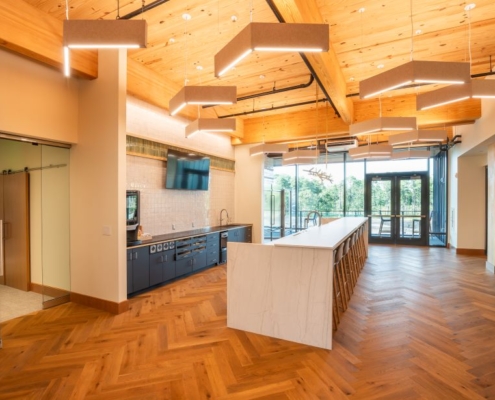 In Wilmington, NC, a new development is welcoming employees—a four-story, 67,000-square-foot constructed entirely from mass timber. This ambitious project is one of the largest of its kind in the United States, slashing the building’s carbon footprint by up to 60%. Nestled among trees and overlooking an expanded pond, Live Oak Bank Building 4 is a harmonious blend of nature and innovation. The design incorporates numerous biophilic elements, aiming to foster a happier, healthier, and more productive work environment. The building is on track to achieve LEED? Silver certification, highlighting its commitment to sustainability and eco-friendly design.
Responsive Arts & STEAM Academy, Denver, CO
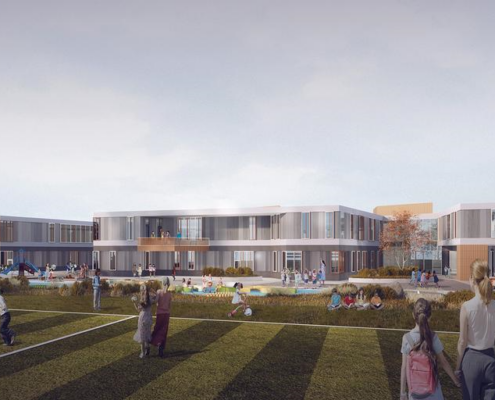
Additional Reading: Contractors are Partners for Achieving Sustainable Development Goals
The post Mass Timber Buildings: A New Approach to Sustainability and Net Zero Goals appeared first on Swinerton.
]]>
Community-Focused, Mass Timber Office Building Breaks Ground in East Austin
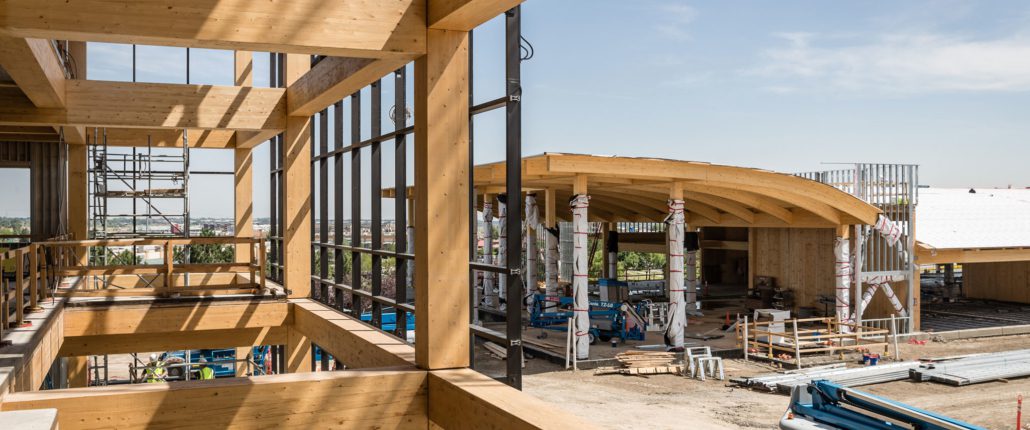
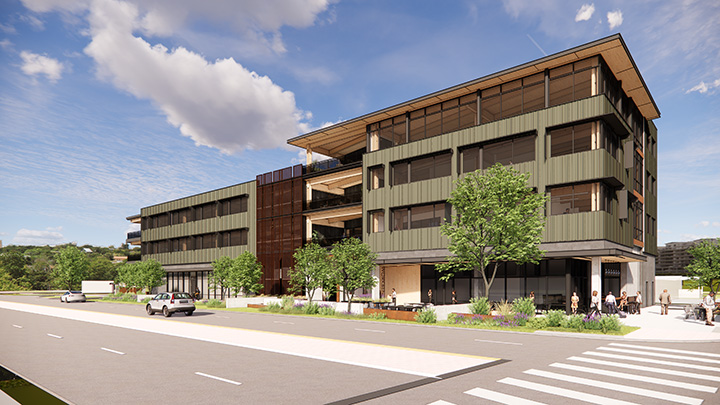
Swinerton, a national industry-leading general contracting and construction management firm, is teamed with Dick Clark + Associates (DC+A), Lindgren Development and other project partners to design and build a new mixed-use mass timber office building located in East Austin. The project broke ground on October 2nd with a community celebration, including a site blessing by Rev. Dr. Daryl Horton of Mt. Zion Baptist Church. Located at 2422 East 7th Street, WORKBENCH brings sustainable design to life with beautiful mass timber and will serve as a showcase for potential clients interested in mass timber. Construction is estimated to be completed in January 2026.
“Many of the project partners have been ingrained in East Austin for decades. The opportunity to bring together a built environment ‘design collective’ under one roof and within a mass timber building is beyond exciting,” states DC+A Principal Mark Vornberg. “The neighboring community has been supportive of this development, and we look forward to continuing this bond.”
Mass timber’s popularity as an alternative to concrete and steel construction continues to rise, including in Austin. The many sustainable and biophilic attributes are leading to the structure type being integrated into civic, academic, multi-family, and office buildings. WORKBENCH alone is estimated to store 500 metric tons of CO2, which is the equivalent of removing 301 cars from the roadway for a year. Mass timber can typically be completed faster and reduce energy costs for owners as the building can be more efficiently heated and cooled.
Primarily leased by women-owned/operated firms (66%), the building features a different mechanical system on each floor, showcasing how to seamlessly integrate a variety of systems within a mass timber structure. Level two, to be occupied by Swinerton, features a traditional system with exposed overhead mechanical equipment. DC+A, Legacy Lighting, Fort Structures, Beck-Reit Commercial Real Estate, and Art + Artisans will occupy level three, which features a raised access flooring system with a hidden ventilation system.
The first floor will be anchored by Legacy Lighting’s retail and showroom, as well as a restaurant space designed to engage the surrounding community. Additional building features include views of downtown Austin from the upper floors, an outdoor patio and roof deck spaces on each floor, window overhangs protecting the office space from the direct southern and western sun, daylighting and lighting controls to conserve power and electric vehicle charging stations in the parking area.
Additional project (equity) partners include Beck-Reit Commercial Real Estate, Legacy Lighting, Fort Structures and Art + Artisans.
Alison Satt, Vice President and Austin Division Manager?notes, “We are looking forward to bringing such a dynamic building to the vibrant East Austin community while showcasing the practical benefits of mass timber.”
Swinerton’s affiliate Timberlab has been providing engineering services, optimizing the building to utilize the timber as efficiently as possible. Additionally, Timberlab will fabricate the cross-laminated timber (CLT) in its Greenville, SC facility.
The post Community-Focused, Mass Timber Office Building Breaks Ground in East Austin appeared first on Swinerton.
]]>
WE ARE MASTER BUILDERS
Swinerton planted roots as a builder 135 years ago, and continues to deepen them nationwide. Alongside our subsidiary companies, we leverage our knowledge, skills, and drive to build the projects and workforce of the future. We take pride in the expertise and passion it takes to raise a structure from the ground up. Because, at our core, we are builders.
A CHANGING INDUSTRY
When brick mason Charles Lindgren founded the company that would become Swinerton at the end of the nineteenth century, the construction landscape looked very different than it does today. The industry was moving from a workforce of individual craftspeople managed by an architect or engineer to a more centralized system. Positions like those of superintendent and foreman emerged to be the expert eyes on the jobsite to manage installation and supervision, while contractor builders brokered materials, labor, and services.
An entrepreneurial mason turned builder, Lindgren saw the potential for greater speed and efficiency as technologies like steel-reinforced concrete emerged on the market. His business partner, Lewis A. Hicks, was a vocal advocate for this technology—writing two enthusiastic articles in 1905 for The Architect and Engineer of California and distributing brochures on the topic to local engineers.
When tragedy struck in the form of the 1906 San Francisco earthquake, Lindgren and Hicks were completely equipped to help rebuild, and could legitimately claim that their steel-reinforced concrete buildings fared better than most in the devastation. Clients who were initially skeptical of the “newfangled” material were convinced. By 1908, when namesake Alfred B. Swinerton joined the firm, the company was well on its way to becoming
one of the most recognized builders in the West, thanks in no small part to its expertise in concrete.
SEEING POTENTIAL
In the century that followed, Swinerton has continually invested in enterprises and people to keep the industry moving forward, expanding its markets and offerings nationally and internationally. From engineering canals and pipelines in the 1950s, driving value-add services like tenant improvements in the 1980s, to embracing sustainable materials and energies in the 2020s, we are always finding ways to build where the world is going.
In 2016, Swinerton recognized another opportunity: to drive construction forward by adopting mass timber. As a result, our mass-timber specialist subsidiary was launched in 2021, harnessing the structural and environmental potential of engineered wood materials and helping clients meet their vision for sustainable structures that soar with the beauty of timber.
BUILDERS OF TOMORROW
Being a master builder depends on first-hand knowledge of the builder’s craft, which must be passed down with each generation. We continue our 135- year builder’s legacy by supporting the workforce of the future: training the next generation of craftspeople in trade skills, and attracting more builders to the industry.
Through The Swinerton Foundation’s support of trade education programs at the Cypress Mandela Training Center in Oakland, CA, Portland YouthBuilders in Portland, OR, and The Roc in Charlotte, NC, partnership with organizations like SkillsUSA nationwide, and outreach efforts at colleges and universities, we are driven to support the young people who will become our next generation of master builders.
OUR BUILDER’S LEGACY
Alongside the industry’s evolution, at Swinerton we continue our master builder’s legacy through the present day, employing thousands of expert craftspeople on staff as laborers, journeymen, foremen, and superintendents whose direct experience in the field ensures our projects’ success. As a company, we invest in their safety, their training, and their well-being to ensure their expertise shines on every project.
Swinerton Builders’ self-perform teams include concrete, drywall, doors, frames and hardware, carpentry, millwork, and demolition and clean-up. Our family of companies also includes a broad range of professionals whose expertise encompass concrete at SAK Builders, mass timber at Timberlab, and engineering, procurement, and construction of renewable gas plants at Swinerton Energy.
On every project, we also draw on our experts who understand the non-physical components of building: financing, logistics, planning, permits, site entitlements, and more. Our administrative teams at Swinerton, Lindgren Development, and Griffin Swinerton work in tandem to make our clients’ buildings possible.
Combined with our expert knowledge and skill, our pride of ownership, passion, leadership, integrity and excellence are what truly make us master builders.
The post We are Master Builders appeared first on Swinerton.
]]>
WHY MASS TIMBER IS EARNING A PLACE IN HEALTHCARE CONSTRUCTION
HEALTHY BUILDINGS FOR A HEALTHY PLANET:
Original Post: 12/2022 | Revision 2 06/20/24
The use of?mass timber?in commercial building projects continues to double in growth each year as a low-carbon, sustainable and light-weight structural material compared to traditional construction materials. Mass timber was already popular in Europe, which accounts for over 60% of the global market for this innovative construction material, but its adoption is now becoming increasingly widespread across North America. According to the Wood Products Council, as of March 2024, 2,115 multi-family, commercial building, and institutional projects featuring mass timber are underway or completed in the United States, reflecting a steady growth trend.
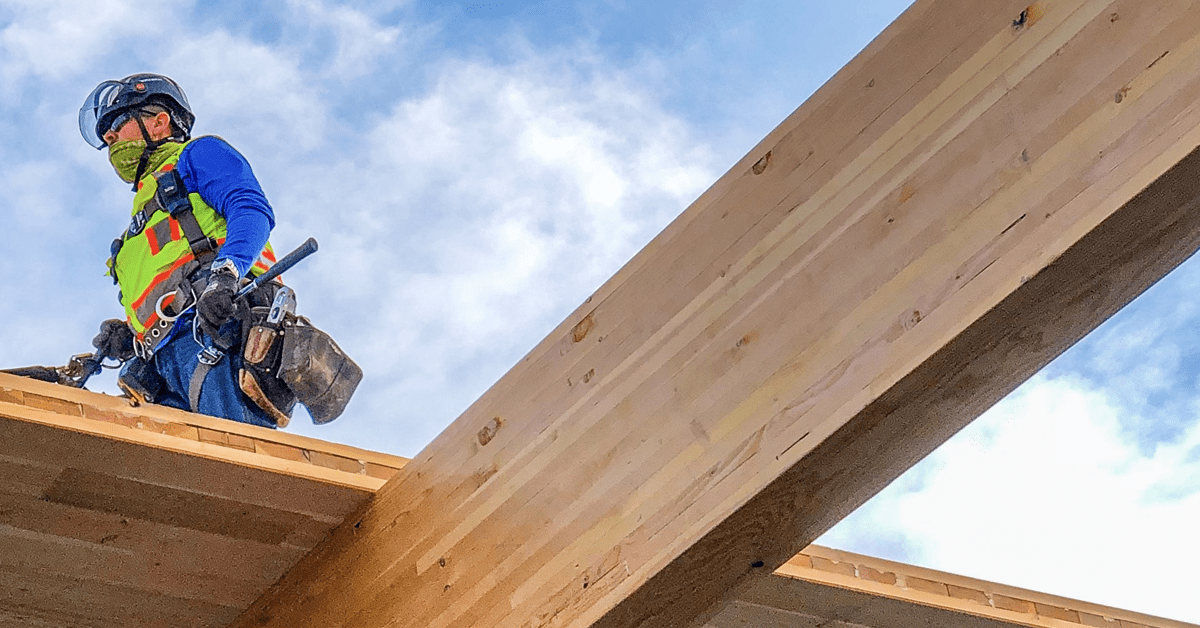
Mass timber is prized by architects, builders and environmentalists alike. When exposed in building designs, the material’s beauty is immediately apparent. As a structural element, mass timber can meet or even exceed concrete and steel construction performance standards. Its most important benefit, however, is its potential contribution as a climate change solution.
While steel and cement manufacturing are among the world’s largest sources of carbon emissions, a mass timber-framed building can serve as a carbon sink throughout its lifetime, sequestering carbon absorbed from the atmosphere while the wood was growing in the forest. As long as the building stands, the carbon contained in the wood remains locked in the structure and will not be released into the air.
“Conversations around sustainability in the building industry used to be focused on operational energy, the carbon emissions associated with a building’s use from heating and cooling, for example,” said Tanya Luthi, director of engineering at Timberlab. “That understanding has evolved to include the full life cycle of a building, including the embodied carbon of the materials used to construct the project. Fortunately, advancements in engineered wood products, such as the development of cross-laminated timber, have coincided with a strong and deepening commitment to sustainable forestry practices, allowing us to use mass timber responsibly at scale from an engineering and a sustainability perspective. Wood is the only major structural material that we can regrow.”
Because of these climate benefits, governments and municipalities across the U.S. and worldwide are establishing policies that promote the use of mass timber in new construction. A recent example is New York City’s Mass Timber Accelerator program, which is piloting the use of mass timber in a series of large-scale construction projects across the city to align with its decarbonization efforts.
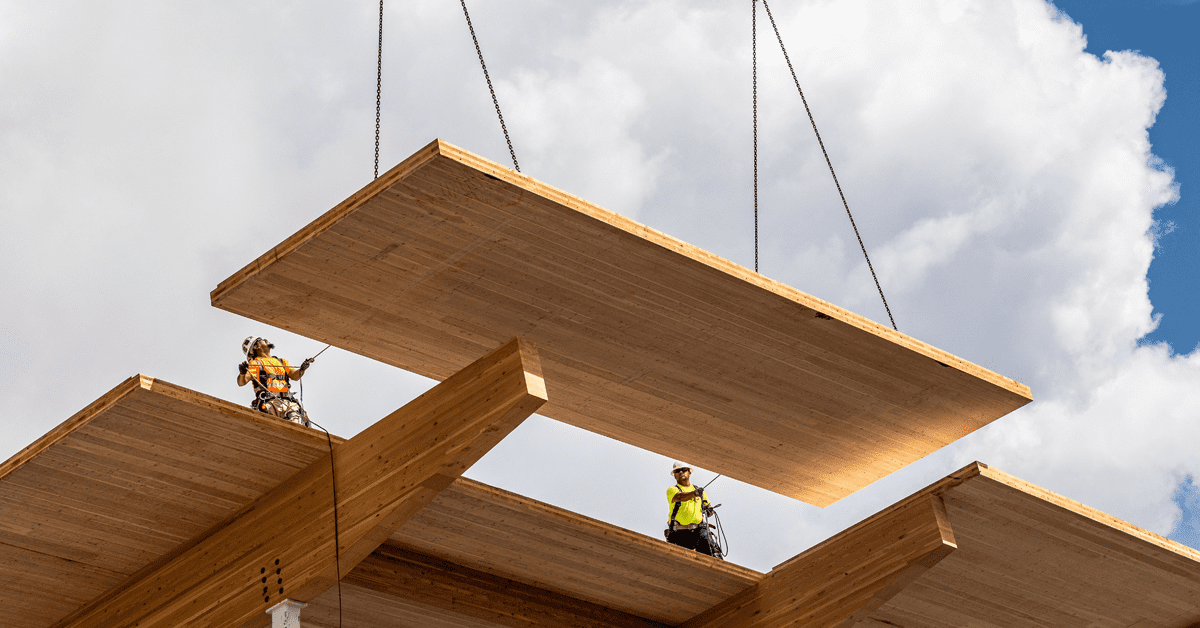
At the same time, many jurisdictions are revising building codes to permit the use of mass timber in ways that previously wouldn’t have been considered. These changes have enabled the construction of revolutionary new buildings like the Ascent in Wisconsin. At 25 stories and 284 feet tall, this residential tower in the heart of Milwaukee’s downtown is the world’s tallest hybrid mass timber building.
Despite the rapid growth in enthusiasm for mass timber construction across multiple industries, the healthcare sector has been slower to adopt this climate-friendly material. Concerns about medical space planning, infection control, acoustics and vibration suppression — among other issues — have inhibited the healthcare industry’s transition to mass timber structures.
However, this reluctance is fading as new projects — including an ambulatory care unit in Sechelt, British Columbia and Northlake Commons, a life sciences laboratory and workspace building in Seattle — demonstrate mass timber’s enormous potential to revitalize the construction of healthcare facilities. Besides mass timber’s obvious environmental benefits, its use is also proven to contribute to patient and employee well-being and bolster the brand reputation of its earliest adopters.
In the months and years to come, it will be increasingly important for leading organizations in the healthcare industry to demonstrate their commitment to the health of the planet and their communities by choosing the building material that best aligns with their mission — to improve human health.
WHY MASS TIMBER? THE GROWING FOCUS ON SUSTAINABILITY, SOURCING TRANSPARENCY AND ETHICAL BUILDING AND CONSTRUCTION
Among stakeholders in healthcare, as well as a broad array of other industries, there is growing awareness of the climate impact of constructing new buildings and facilities. World Green Building Council estimates that the built environment is responsible for 39% of global carbon emissions. Cement and steel manufacturing industries account for nearly 10% of the world’s ongoing carbon emissions, a source of carbon dioxide that’s difficult for societies to eliminate. On average, approximately 2 tons of carbon dioxide are emitted in manufacturing every ton of steel, though this can be reduced somewhat by incorporating scrap into recycled steel production.
In contrast, trees capture and store carbon as they grow — approximately 1 ton for every cubic meter of growth. By weight, trees are approximately 50% carbon. When trees are harvested, all the carbon that has been sequestered in the wood while they were growing remains there. Once that harvested wood is used in a building that carbon will stay within that structure for as long as the building stands. In essence, mass timber construction projects transfer sequestered carbon from forests to the built environment. Then, new trees are replanted in place of those harvested, capturing and storing yet more carbon.
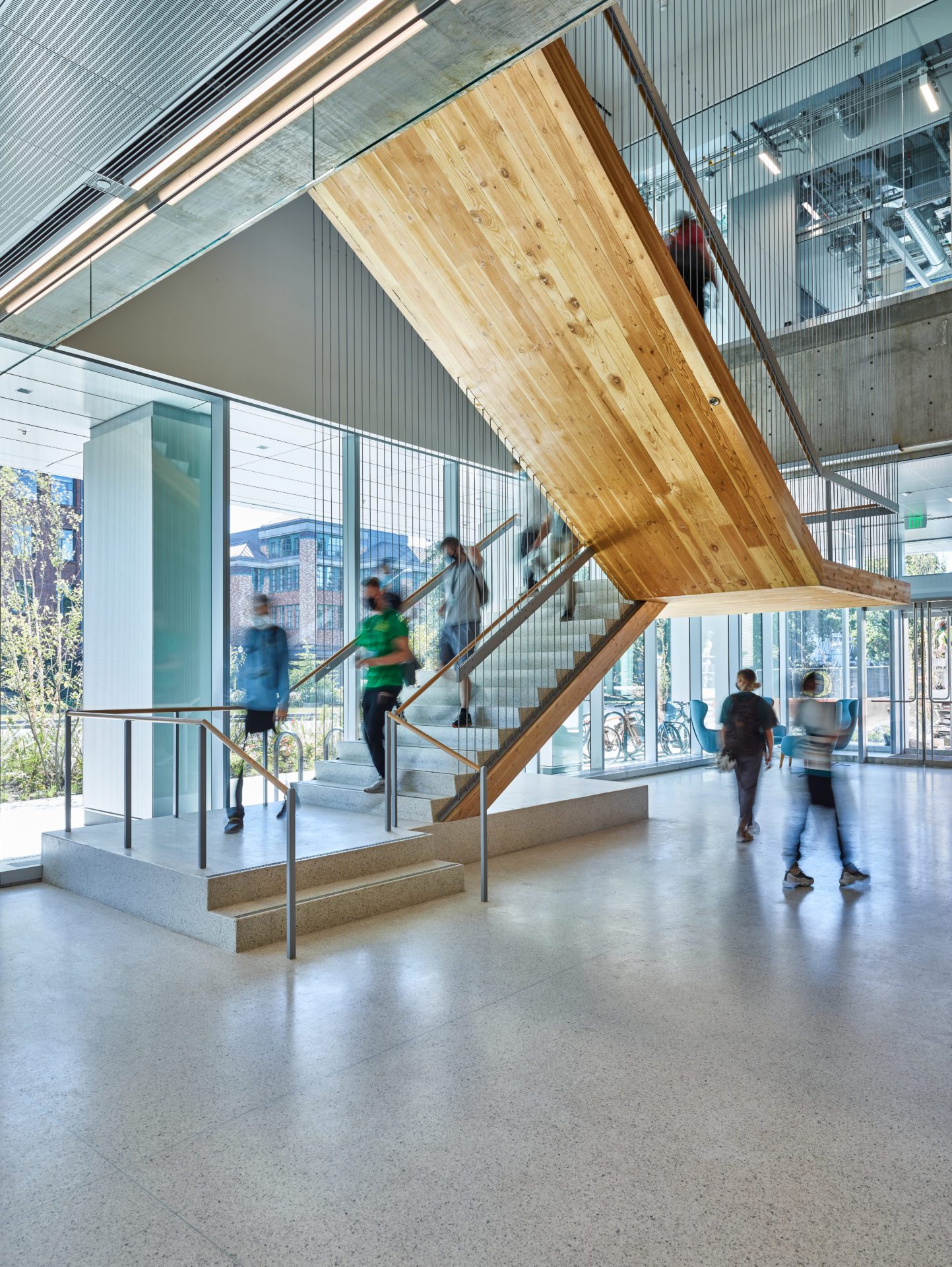
This fact accounts for the environmental promise of mass timber construction. Mass timber is a renewable resource. Plus, it’s possible to store embodied carbon within a building for the whole of the structure’s lifecycle. Research indicates that mass timber construction is approximately 50% more carbon-efficient than steel.
But this is a rule-of-thumb estimate. The actual climate impact of any individual mass timber construction project will be influenced by the forestry, transportation and milling practices employed for the wood used in the project, as well as how the building is disassembled and its materials disposed of at the end of its life cycle.
For a truly sustainable building project, using locally sourced wood from sustainably managed forests is necessary. Not only do intact forest ecosystems sequester more carbon, but they also help protect biodiversity and wild animal habitats. It’s key to cultivate transparency and accurate tracking in the mass timber supply chain to ensure that building materials are sourced from responsibly managed forests.
For instance, sourcing wood for building projects in the Pacific Northwest from forests in the same region makes sense because it reduces the distance construction materials need to be transported, thereby reducing emissions. This practice also supports the region’s historically important timber economy and rural communities, which are integral to the timber supply chain.
In addition, it’s crucial to select timber harvested from timberlands that grow trees to a size large enough to ensure that the maximum rate of carbon sequestration has occurred on those forested lands. Timber producers that exceed state Forest Practices Act guidelines for sustainable forestry practices and watershed health adhere to climate-smarter practices.
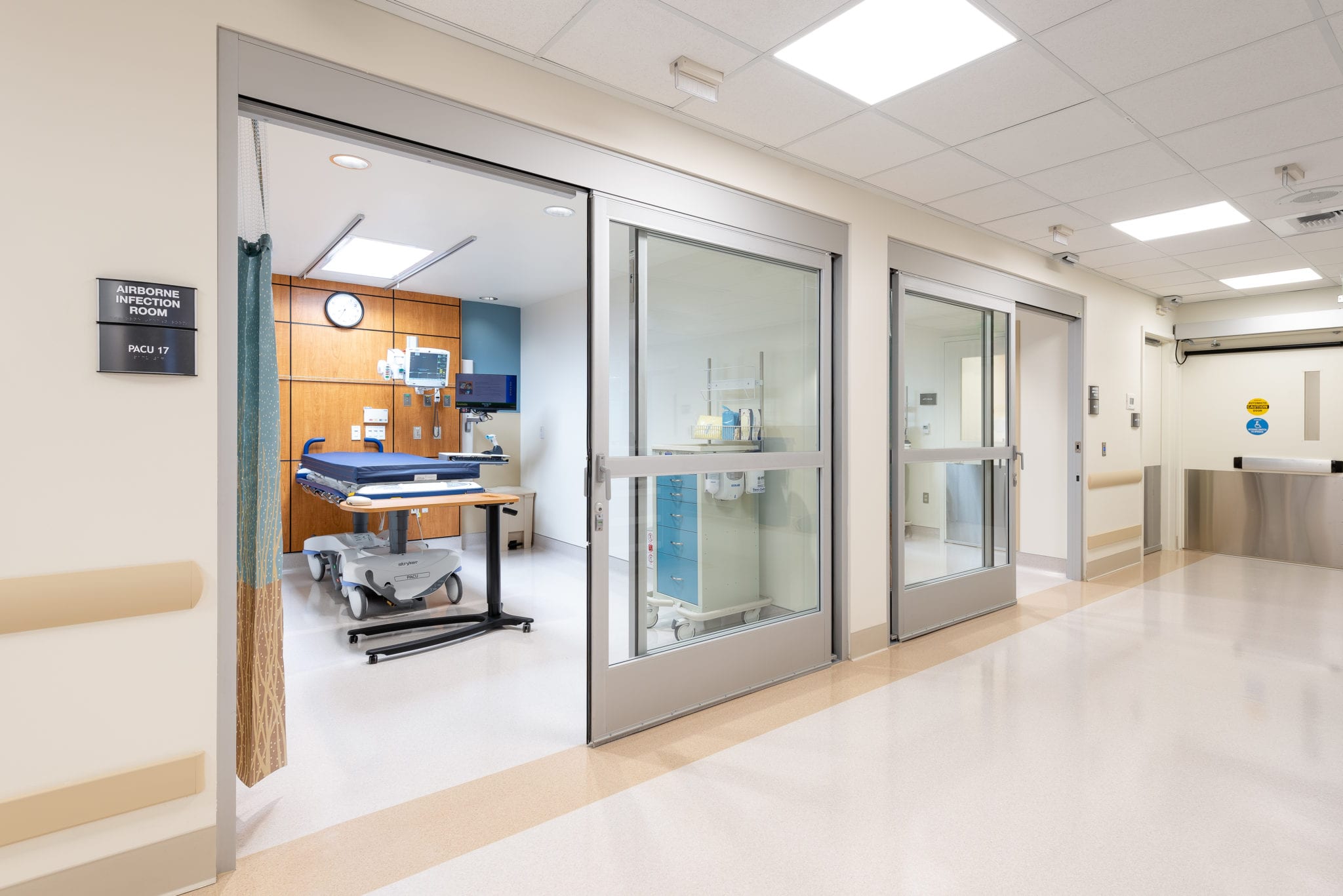
MASS TIMBER IN OUTPATIENT HEALTHCARE FACILITIES: AN IDEA WHOSE TIME HAS COME
To date, mass timber has not been widely used for structural systems in healthcare industry construction projects. This means there are few examples to validate that mass timber can meet healthcare facilities’ unique structural requirements. However, research and innovation are underway, and ongoing studies demonstrate that mass timber can meet the strength and performance requirements necessary for its adoption in healthcare.
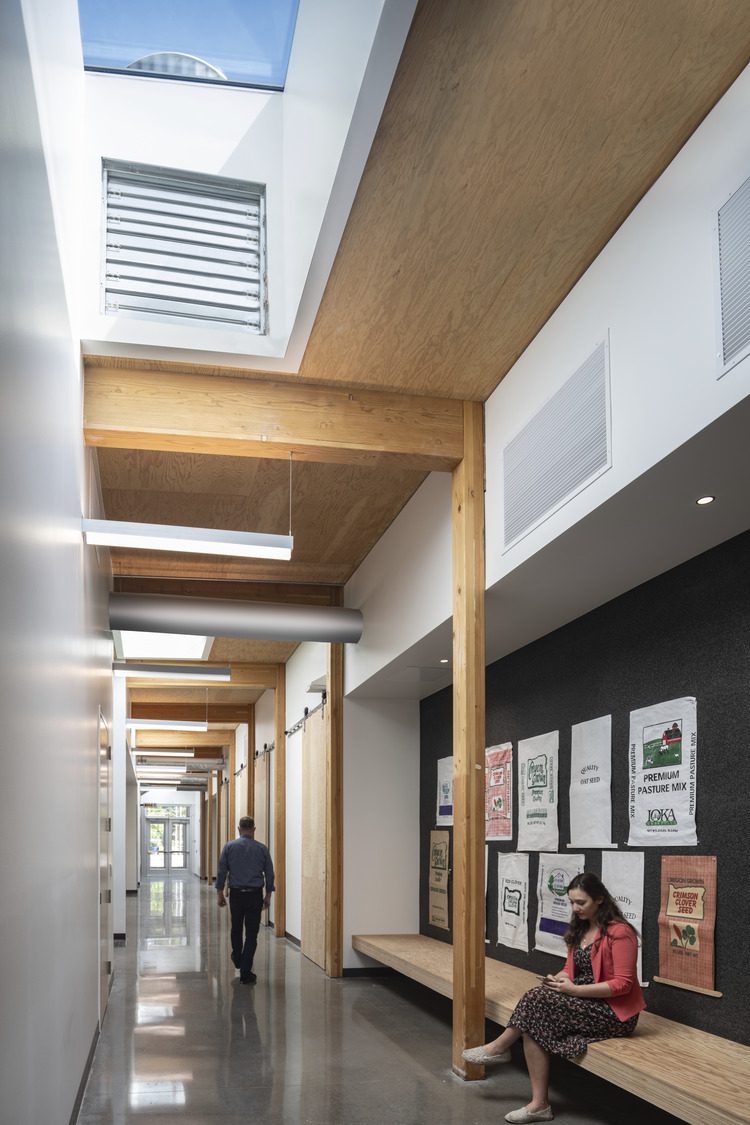
VIBRATION CRITERIA
Buildings in the healthcare sector must meet strict vibration requirements to support the performance of critical operations and sensitive medical equipment. Typically, this means that structures are designed to be stiffer and more robust, adding material and expense to the project. Vibration performance in mass timber buildings can be challenging due to the structure’s lightweight, so healthcare operators are wondering if mass timber structures can meet the requirements. New vibration analysis tools, coupled with field testing of occupied buildings, have shown that mass timber-framed structures, just like steel structures, can be designed to meet or exceed the vibration criteria for operating and treatment rooms, patient rooms, administrative and public areas, medical offices and lab areas.
ACOUSTIC REQUIREMENTS
Sounds in healthcare environments can range from the beeping of alarms and equipment to the hum of machines and HVAC systems to other people’s conversations. These can irritate or even harm patients, and transferring these sounds can violate patient privacy required by HIPAA (Health Insurance Portability and Accountability Act). Healthcare facilities require conscious design for strategic sound control, and mass timber elements have lower sound ratings because of their lower mass relative to concrete. For this reason, timber panels are complemented by other materials in a floor assembly that can add mass and ensure noise control. Laboratory tests have shown that mass timber floor assemblies can achieve acoustic performance that meets industry guidelines.
INFECTION CONTROL
Healthcare facilities have strict surface-cleaning and sanitization requirements, particularly in high-risk areas such as operating rooms and intensive care units. In these areas, surfaces must be resistant to microbial growth and spread, smooth, nonporous and durable enough to withstand repeated cleaning and disinfection. In critical facilities such as surgical suites in mass timber buildings, wood can be encapsulated with materials and finishes that create a sterile and durable surface, like what is done in concrete and steel buildings. In less critical facilities, the wood can be coated with a washable finish.
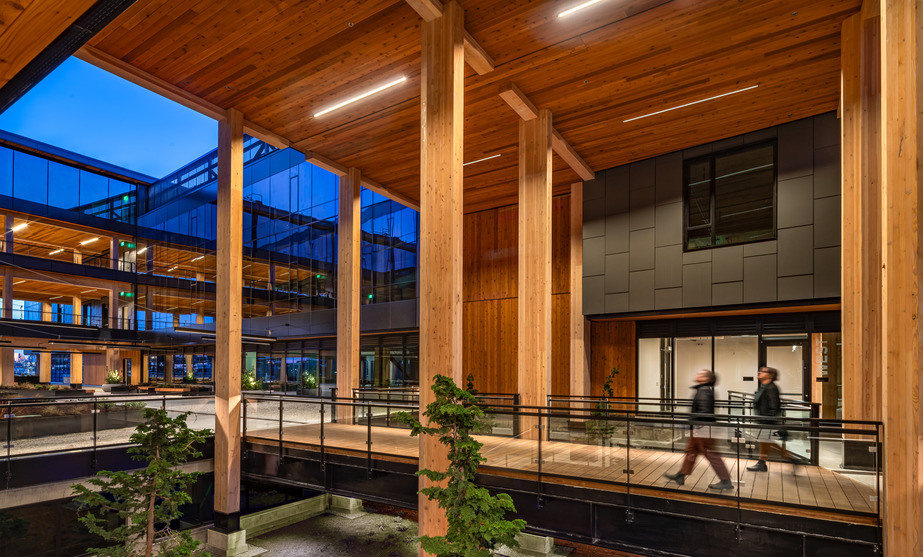
FIRE PREVENTION AND SUPPRESSION
There’s a common misconception that wood is inherently dangerous in fires. However, mass timber is not a lightweight wood frame construction, and like a log in a campfire, mass timber buildings have inherent fire resistance due to their size. Though still a combustible material, mass timber structures are designed and built to achieve the same fire and life safety requirements as non-combustible construction.
In fact, cross-laminated timber and glulam members have demonstrated compliance with local and international building codes. Unlike steel, which will lose strength if it becomes too hot, mass timber building components will incur surface charring but retain strength to sustain design loads. In addition, mass timber beams and columns designed to inhibit floor-to-floor and room-to-room smoke transfer have earned smoke ratings comparable to those of steel structural elements. Fire risks in mass timber buildings can be additionally mitigated with encapsulation or through other compensating measures, such as improved egress design, more reliable and robust suppression systems and early fire detection measures.
COST CONCERNS
In the past, some stakeholders have avoided mass timber because they perceive it as inherently more expensive. While it can be true that there are higher material costs associated with building and framing in mass timber, these costs are generally offset by shorter material lead times, faster structure installation, and a shortened construction schedule overall.
“Timber structures can be built faster, but that is only advantageous when projects are planned and managed correctly. The biggest financial risk in any construction project will always be the labor cost, which is highly dependent on how much time the project takes. Delays are generally more expensive than changing materials, resolving conflicts or altering designs. Mass timber project timelines are more predictable, which makes the capital investment more predictable,” states Erik Benedetti, project manager and healthcare lead at Swinerton.
Some stakeholders have also avoided using mass timber because of concerns about the cost or availability of insurance. Because this is an emerging technology, not all insurers may understand mass timber’s performance and benefits. It may be necessary to engage and communicate with your underwriter to help them understand and accurately assess the risks. This issue will almost certainly become rarer as mass timber adoption accelerates.
ENSURING BETTER PATIENT EXPERIENCES TO IMPROVE CARE OUTCOMES
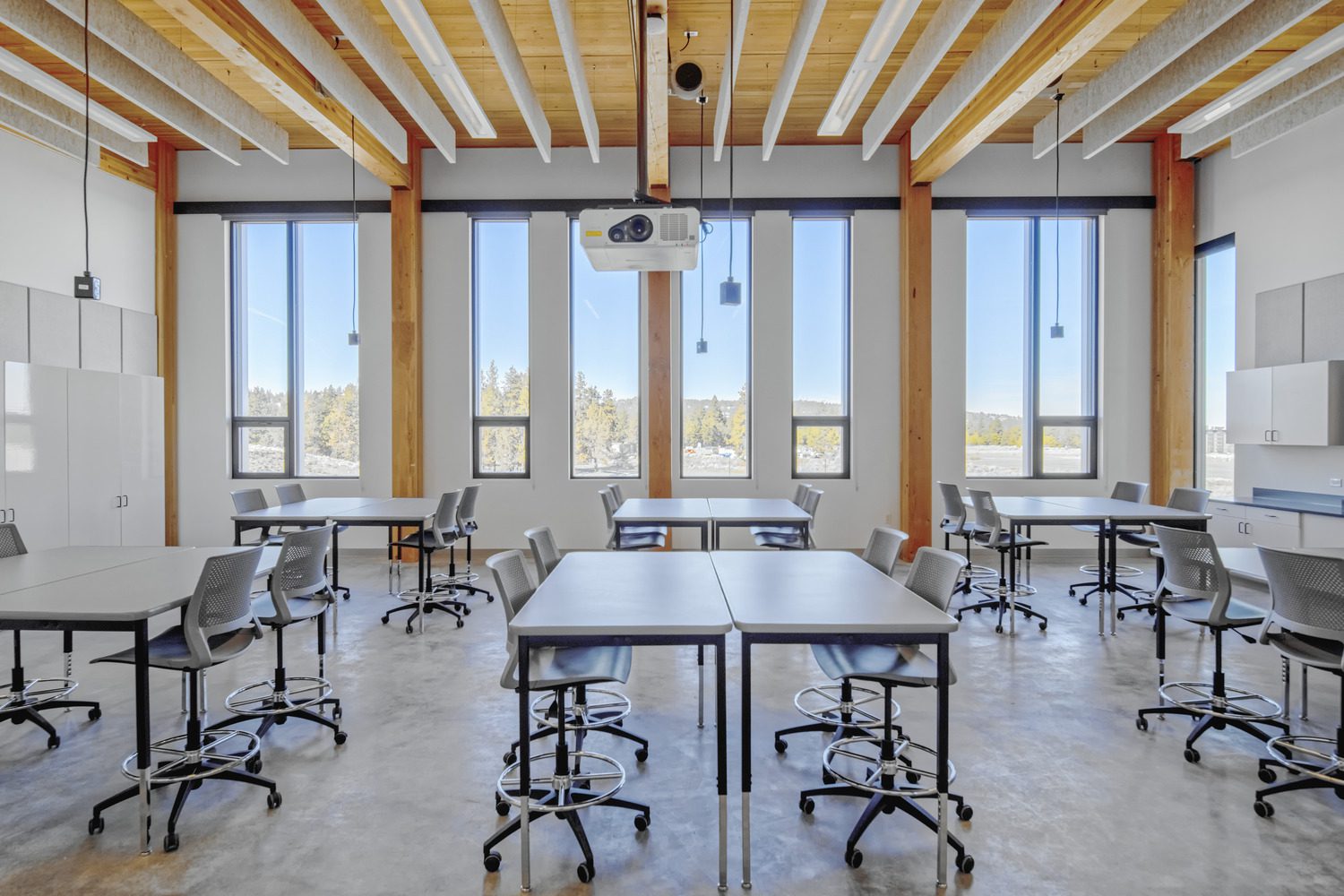
Healthcare stakeholders increasingly recognize that providing high-quality patient care goes beyond supplying the right medications, technologies and evidence-based therapeutic protocols. Optimizing patient outcomes also requires providing care that respects individuals’ preferences, emotional needs and values. It means treating patients in spaces purposefully designed to make occupants feel healthy and safe. In this arena, mass timber construction truly shines.
The aesthetic and design benefits of exposed wood in architecture are already well understood. As award-winning architect Michael Green, who builds mass timber structures in British Columbia, said, wood is “nature’s fingerprint in buildings,” so mass timber has a deeply soothing effect on the buildings’ occupants.
Biophilic design is among the latest trends in hospital and healthcare facility design. A growing body of research shows that incorporating natural elements or views of nature in healthcare facilities can improve staff productivity and efficiency while enhancing patients’ feelings of well-being, decreasing stress levels and reducing pain levels. Studies have shown that hospital patients whose rooms have views of forested land or water recover more quickly than those with views of a blank wall. They require less pain medication and leave the hospital earlier. Mass timber construction with exposed structural elements can bring that impression of nature into the healthcare facility. Plus, if patients are told the building’s story, they’ll understand the positive impact its construction has had.
“Awareness of the impact of climate change is growing among patients today,” said Chris Morris, director of national healthcare at Swinerton. “Knowing that the building where you’re receiving care was built from materials that were sourced locally, that are more sustainable and that are contributing to sequestering carbon from the atmosphere is significant for many people. The beauty of mass timber is just one more reason they’d prefer to receive care in those buildings.”
While leading healthcare organizations are designing healthcare spaces to feel welcoming, artful and beautiful rather than sterile or clinical, they’re also thinking about ways to extend the benefits of design aesthetics to their employees. In a field where record shortages of nurses and other skilled professionals are an acute problem, it’s particularly important to design employee break rooms and common spaces in ways that are restful and calming to help counter burnout.
Furthermore, patients and employees alike appreciate when a healthcare organization’s commitment to sustainability and ethical building practices allows it to operate harmoniously with its mission of promoting human health and healing.
CONCLUSION
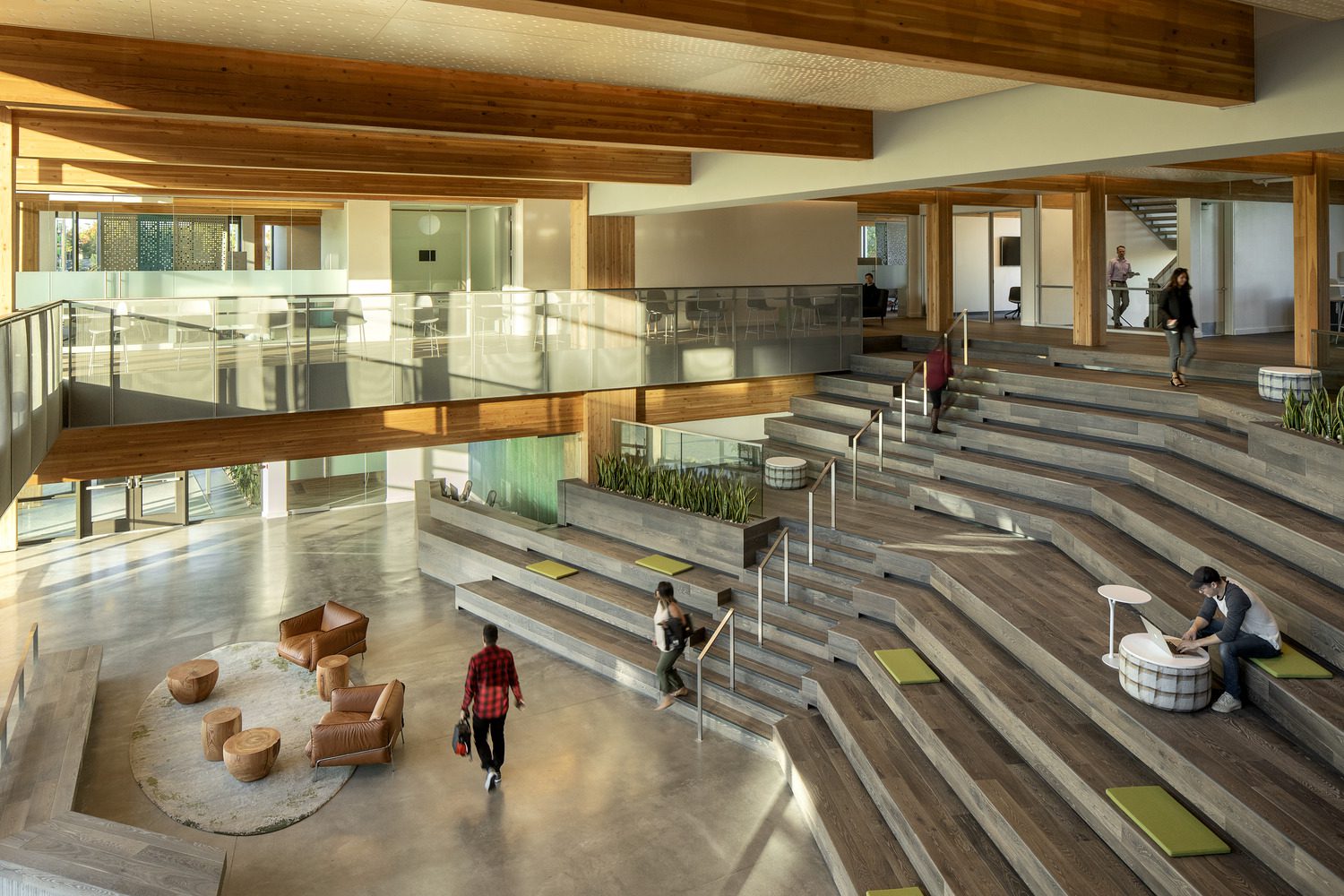
Today’s healthcare organizations face numerous challenges. They must recruit and retain top-notch care providers, deliver high-quality patient care and streamline operations to manage costs. To build thriving practices that will attract patient populations now and continue to do so in the future, they must demonstrate that they care for the minds, bodies and spirits of patients, caregivers, administrators and visitors. This requires more than medical expertise; it also demands vision and the courage to make sustainable and ethical choices.
“The stakes are high in an industry like healthcare – we are talking about people’s lives,” said Luthi. “When the stakes are high, people are often cautious about change, which could be one reason we haven’t seen mass timber adopted as widely in healthcare as in other sectors. But if you look at it another way, incorporating mass timber into healthcare projects is actually the perfect opportunity to make a positive impact both on the planet and on its people.”
The post WHY MASS TIMBER IS EARNING A PLACE IN HEALTHCARE CONSTRUCTION appeared first on Swinerton.
]]>